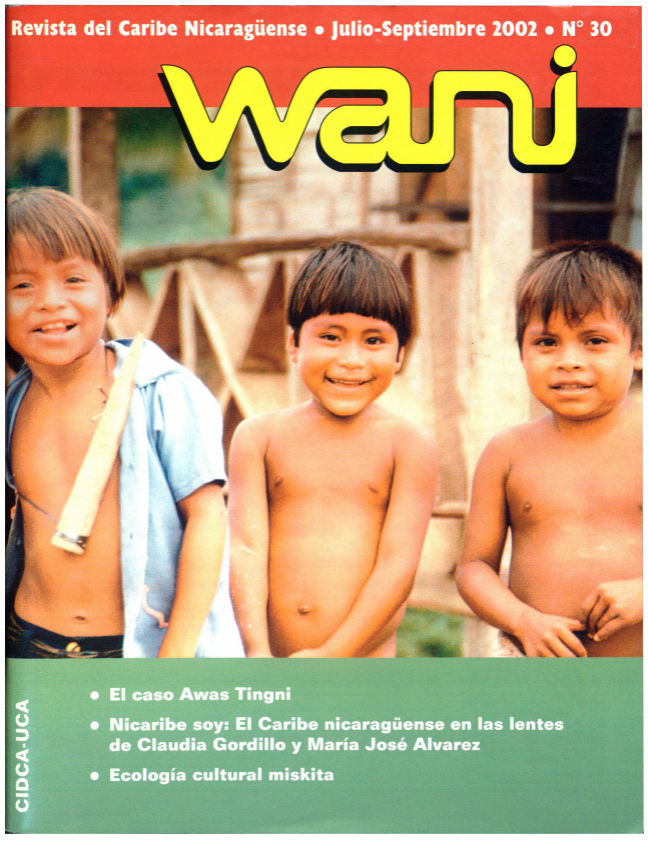
Miskitu cultural ecology from 1650-1850
Keywords:
Culture, Ethnic group, Environment, Food, History, Human, Land useAbstract
The author of this analysis examines the use of the land and agricultural activities of Miskitu Indians between 1650 and 1850. The author’s view is that most historians have considered with no argument, euro centric observation of this period, and they have not observed correctly the food manufacturing in the Miskitu social reproduction. The Miskitu men used to focus their activities over the regional resources and contraband economy, therefore, they did not trade food articles. During the colonial period, Miskitu food consisted of wild animals, fish, mollusks, sea mammalian, but also foods cropped by women. In this piece of writing the author suggests that Miskitu agricultural production during the colonial period, was more plentiful and socially more meaningful than is generally believed.
Downloads